“Target Identification is the first Process in Any Drug Discovery Program. Many people might know the disease group or the disease name but they are not familiar of the disease targets. It is estimated that there are only 4000 Druggable genome for the 15000 Diseases in the world. In this section, we will be showing a large number of targets for various diseases so people can become familiar with drug discovery. Those diseases include oncology, Neurodegenerative diseases and Longevity among many other great potentials”
Organization: National Institutes of Health (NIH) Common Fund.
The Data: They focus specifically on the “unilluminated” or understudied portion of the proteome. Their platform, Pharos, aggregates data on roughly 20,000 proteins (the whole proteome) but specifically highlights the ~4,000 that are most “druggable” (Kinases, Ion Channels, GPCRs).
Mission: To urge pharmaceutical companies to work on the “Dark Genome”—the thousands of potential targets that are currently ignored because companies prefer to stick to the few hundred well-known targets
Organization: A partnership between EMBL-EBI, Wellcome Sanger Institute, GSK, Bristol Myers Squibb, and Sanofi.
The Data: This is arguably the most “industrialized” database. It links thousands of disease entities (using the EFO ontology which covers the 15,000+ range) directly to gene targets using genetics, somatic mutations, and drug data.
Why it Matters:If you are looking for a platform that tells a pharma company “Here is Target X, and here is the evidence linking it to Disease Y,” this is the gold standard.
Organization: Innovative Drug Research and Bioinformatics Group (Zhejiang University & NUS).
The Data: They explicitly catalog “successful,” “clinical trial,” and “research” targets.
Why it Matters:
Relevance: They track the ~4,000 targets that have actual data supporting them, separating approved drugs from those still in the experimental phase.
Oncology
Tumor-Intrinsic & Precision Targets
KRAS (G12C/G12D)
Long considered “undruggable,” KRAS is now a primary target for small molecules and ADCs. It is a critical testing ground for NSCLC, colorectal, and pancreatic cancers.
TBC
TBC
HER2 (Low & Ultralow)
Beyond traditional HER2+ breast cancer, targets like Trastuzumab Deruxtecan (T-DXd) are expanding into “HER2-low” populations, making it a viable target for gastric and lung cancers.
TBC
TBC
c-Met
A high-priority target for Antibody-Drug Conjugates (ADCs). It is currently being tested for platinum-resistant ovarian cancer and NSCLC.
TBC
TBC
TROP2
A broadly expressed glycoprotein on solid tumors. It is a major target for ADCs (e.g., Datopotamab Deruxtecan) in breast and lung cancers.
TBC
TBC
BCL-2
Key for inhibiting apoptosis (cell death). While established in hematology, new inhibitors like Sonrotoclax are being tested for various lymphomas.
TBC
TBC
Next-Generation Immunotherapy Targets
PD-1 × VEGF Bispecifics
Dual-targeting antibodies (like Ivonescimab) that simultaneously block immune checkpoints and starve tumors of blood supply. Promising for lung cancer and solid tumors.
TBC
TBC
PRAME (TCR-T Therapy)
Dual-targeting antibodies (like Ivonescimab) that simultaneously block immune checkpoints and starve tumors of blood supply. Promising for lung cancer and solid tumors.
TBC
TBC
TIGIT
An emerging checkpoint target often tested in combination with PD-1 inhibitors to enhance the immune response in solid tumors.
TBC
TBC
DLL3
A protein often expressed in Small Cell Lung Cancer (SCLC) and neuroendocrine carcinomas, now being targeted by both bispecifics and ADCs.
TBC
TBC
Innovative Druggable Modalities
Modality
PROTACs (Degraders)
Key Target
ER (Estrogen Receptor), BTK
Breast Cancer, B-cell Malignancies
TBC
Radioligands (RLTs)
PSMA, SSTR
Prostate Cancer, Neuroendocrine Tumors
TBC
Molecular Glues
Cyclin K, RBM39
Various “Undruggable” Solid Tumors
TBC
Menin Inhibitors
NPM1 Mutations
AML (Acute Myeloid Leukemia)
TBC
Rare & Molecularly Defined Targets
H3K27M
Specifically for diffuse midline glioma (DMG), a breakthrough target for pediatric brain tumors.
TBC
TBC
ROS1 & EGFR Exon 20
Critical targets for specialized subsets of Non-Small Cell Lung Cancer.
TBC
TBC
CDH17
n emerging target for pancreatic cancer via ADC technology
TBC
TBC
Neurodegenerative Diseases
Protein Aggregation & Clearance
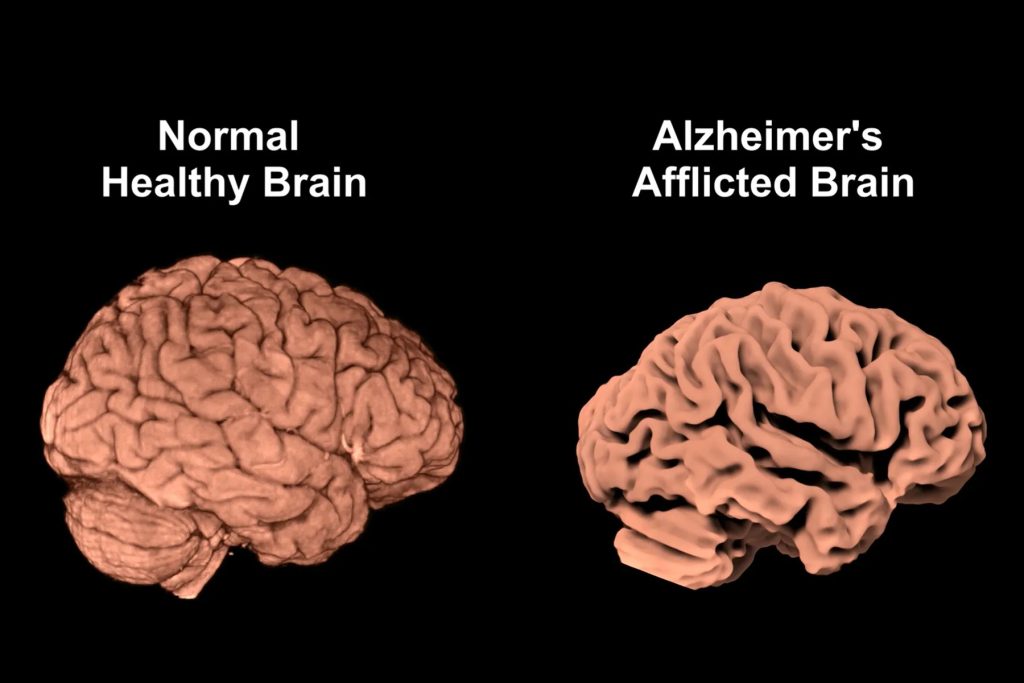
Amyloid-Beta (Aβ) – Next Gen
Following the success of Leqembi and Donanemab, 2026 is seeing the rise of Trontinemab. It uses “Brainshuttle” technology to cross the blood-brain barrier more efficiently, aiming for faster plaque clearance with fewer side effects (like ARIA).
TBC
TBC
Tau Protein (MAPT)
While amyloid is the “trigger,” Tau is the “bullet” that correlates with actual cognitive decline. Targets include extracellular Tau (via antibodies like Bepranemab) and intracellular Tau aggregates (via small molecule inhibitors).
TBC
TBC
Alpha-Synuclein (α-Syn)
The primary target for Parkinson’s Disease and Lewy Body Dementia. New immunotherapies (e.g., ACI-7104) and small molecules aim to prevent the “seeding” and spread of these toxic clumps between neurons.
TBC
TBC
TDP-43
This is the “holy grail” for ALS and Frontotemporal Dementia (FTD). New c-mods (condensate modulators) and PROTACs are being tested to relocate TDP-43 back to the cell nucleus where it belongs, preventing its toxic buildup in the cytoplasm.
TBC
TBC
Neuroinflammation & Microglial Targets
TREM2
A receptor on microglia that acts as a master switch. Agonists are being tested to “wake up” microglia so they can eat amyloid plaques more effectively while reducing harmful inflammatory signals.
TBC
TBC
NLRP3 Inflammasome
A protein complex that triggers a massive inflammatory response. Inhibitors of NLRP3 are a major testing ground for multiple diseases, including Alzheimer’s and Parkinson’s, to “cool down” the brain’s environment.
TBC
TBC
STAUFEN-1
A recently identified target (early 2026) that, when reduced, has shown the ability to prevent neurons from hitting their “self-destruct” button (apoptosis) in response to DNA damage in ALS and Huntington’s.
TBC
TBC
Genetic & RNA-Based Targets
SOD1
Antisense Oligonucleotide (ASO)
Genetic ALS (Tofersen)
TBC
mHTT (Huntingtin)
ASO / Gene Silencing
Huntington’s Disease
TBC
FAN1 Nuclease
ASO (Upregulation)
Huntington’s (Slowing CAG expansion)
TBC
C9orf72
ASO / RNA-interference
ALS & Frontotemporal Dementia
TBC
LRRK2
PROTACs / Kinase Inhibitors
Parkinson’s (Genetic & Sporadic)
TBC
Longevity
Metabolic Master Regulators
mTOR (Target of Rapamycin)
The Goal: Low-dose, intermittent inhibition of mTORC1 triggers autophagy (cellular cleanup).
Current Status: Following the 2025 PEARL Trial results, researchers are testing weekly rapamycin to preserve muscle mass and cardiovascular elasticity in aging adults.
TBC
AMPK (Energy Sensor): A metabolic switch that activates fat burning and glucose uptake.
Primary Target:Metformin remains the lead candidate here (via the ongoing TAME trial logic), but 2026 has seen the rise of direct AMPK activators that avoid the gastrointestinal side effects of metforminn
Current Status: Following the 2025 PEARL Trial results, researchers are testing weekly rapamycin to preserve muscle mass and cardiovascular elasticity in aging adults.
TBC
GLP-1 & GIP Receptors: Originally for weight loss (Ozempic/Mounjaro), these are now considered “first-in-class” longevity drugs.
Why: They dramatically reduce systemic inflammation and all-cause mortality. In 2026, oral versions like Orforglipron are being tested for their ability to slow biological aging markers.
TBC
TBC
Cellular Senescence (Senolytics)
p16 & p21 Pathways: These are the genetic brakes that turn a cell senescent.
TBC
TBC
TBC
Targeted Therapies: * Dasatinib + Quercetin (D+Q): Being tested in 2026 for Osteoporosis (the SENIOR trial) and chronic kidney disease to “clear the field” of these toxic cells.
Fisetin: A natural flavonoid being tested in high-dose “hit and run” protocols to improve physical function in the elderly.
TBC
TBC
SASP (Senescence-Associated Secretory Phenotype): Instead of killing the cells, some 2026 trials focus on “Senomorphics”—drugs that stay the “zombie” cells from secreting inflammation without killing them.
TBC
TBC
TBC
Epigenetic Reprogramming & Rejuvenation
Yamanaka Factors (OSK): Inspired by Nobel-winning research, companies like Altos Labs are testing “Partial Reprogramming.”
The Target: Resetting the Epigenetic Clock (DNA methylation) to restore a youthful gene expression pattern without turning the cell into a stem cell (which would cause cancer).
TBC
TBC
NAD+ Restoration: NAD+ levels drop by 50% as we age, causing mitochondrial “power outages.”
Druggable Path: Testing precursors like NMN and NR, as well as CD38 inhibitors (the enzyme that “eats” NAD+), to boost cellular energy and DNA repair.
TBC
TBC
Systemic & Blood-Borne Factors
GDF11
Blood-borne protein
Rejuvenates heart and muscle tissue
TBC
Albumin Exchange
Plasma dilution
Removing “old” pro-inflammatory plasma and replacing it with fresh albumin.
TBC
SGLT2 Inhibitors
Glucose/Kidney transport
Recently shown in 2026 to potentially lengthen telomeres and reduce cellular senescence.
TBC
Urolithin A
Mitophagy activator
Improves mitochondrial health and muscle strength (Mitopure)