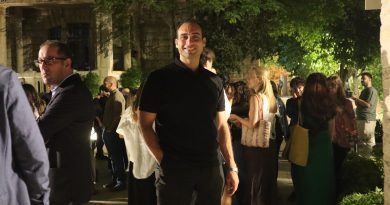

Feras Naser Human Rights Case
The human rights case of Feras Naser is a complex, long-standing legal and advocacy matter that has spanned over 12 years. It is characterized by its massive valuation—exceeding $500 billion—and its evolution through various stages of legal and social grievances.
The case is formally registered with the United Nations under the reference WHRC/1587.
Phases of the Case
The case has transitioned through three distinct thematic phases, reflecting a broadening scope of alleged violations:
- The Oppression Phase: Focused on early allegations of systemic personal targeting. This included claims of interference in personal relationships, monitoring of communications, restrictions on financial income, and targeted cyber attacks.
- The Discrimination Phase: Shifted toward professional and systemic barriers. This phase centered on workplace discrimination and the systematic denial of access to essential resources, such as financial grants and funding opportunities.
- The Intellectual Property (IP) Phase: The most recent evolution of the case involves the intersection of technology and innovation. It addresses the challenges of protecting intellectual property in the digital age, specifically regarding the use of search engines, email platforms, social media, and AI systems in a way that allegedly compromises the creator’s rights.
Key Documentation
The primary source of information regarding the details and progression of this legal journey is documented in the book:
The Story of Feras Naser: Justice Unserved, but WHY?!
This publication outlines the full chronology of events and the legal arguments presented up until 2022.
Current Status (2026)
As of 2026, the case has entered its 12th year. It remains a central pillar of Feras Naser’s public profile, often cited alongside his work in the Cocreation Movement and his extensive portfolio of over 45 technical and futuristic books. The case serves as a broader commentary on the intersection of human rights, global technology, and intellectual ownership.