“The Advancements in Has managed to unleash the discovery of millions new stable materials on the Covex Hull, Today the challenge is not in the discovery, but in the syntheses and finding suitable commercial and community applications for the best of those materials”
– Feras Naser
Important Tools
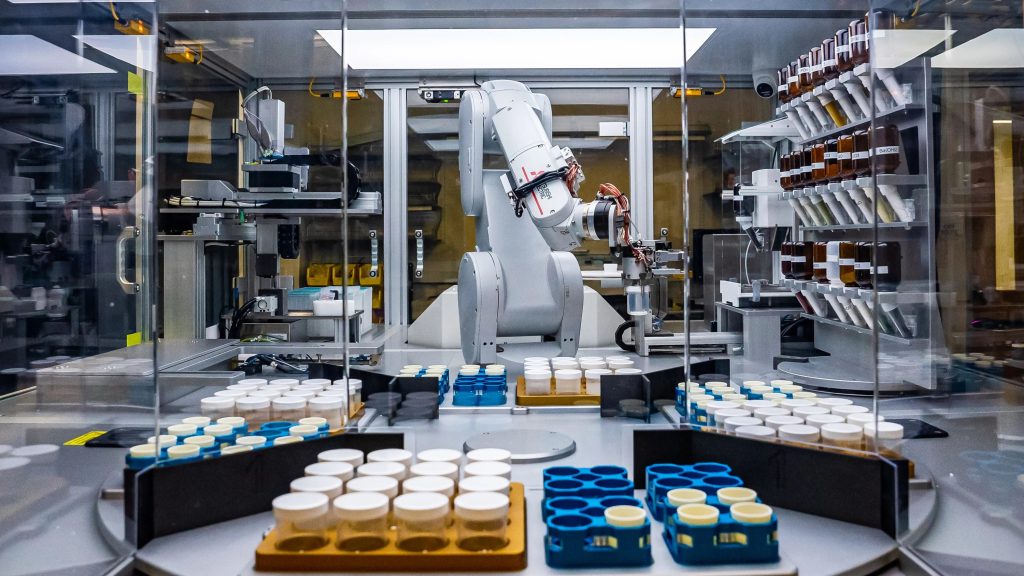
A Laboratory
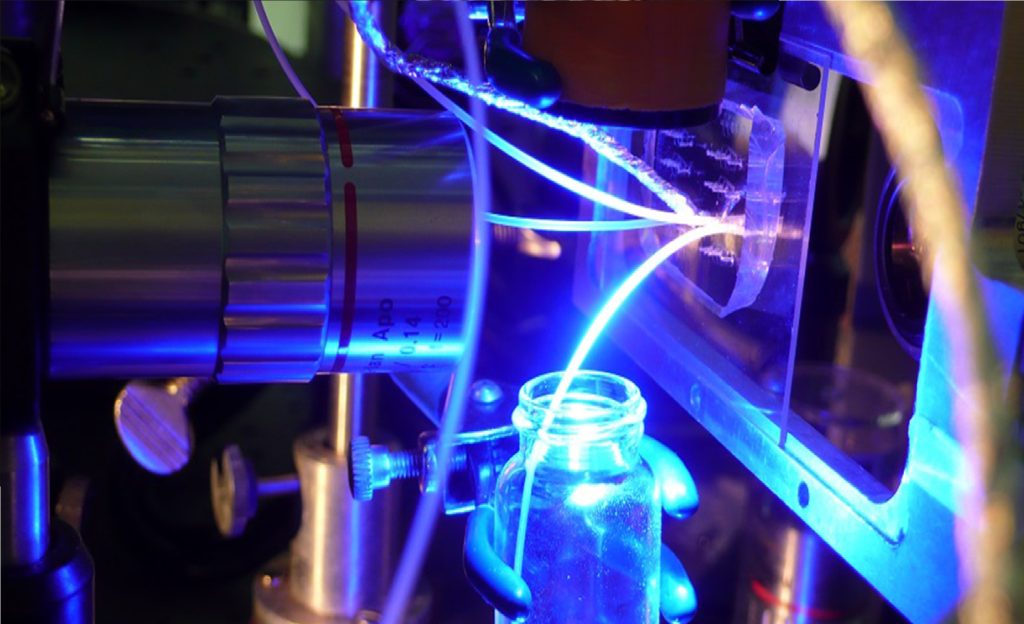
An autonomous laboratory in materials science represents a paradigm shift where artificial intelligence and robotics converge to create “closed-loop” discovery systems. Unlike traditional labs that rely on manual trial and error, these facilities use AI to design experiments, robotic arms to execute them, and automated characterization tools to analyze the results. By removing the human bottleneck, these labs can operate 24/7, testing thousands of material combinations in the time it would take a researcher to test one.
Beyond speed, autonomous labs are revolutionizing the sustainability and complexity of new materials. They are uniquely suited for discovering advanced alloys, polymers for carbon capture, or high-performance battery electrolytes that are too complex for human intuition alone. By digitizing the entire scientific process, these laboratories ensure that every experiment is perfectly reproducible, creating a massive, standardized database that will fuel the next generation of scientific breakthroughs.
Targets
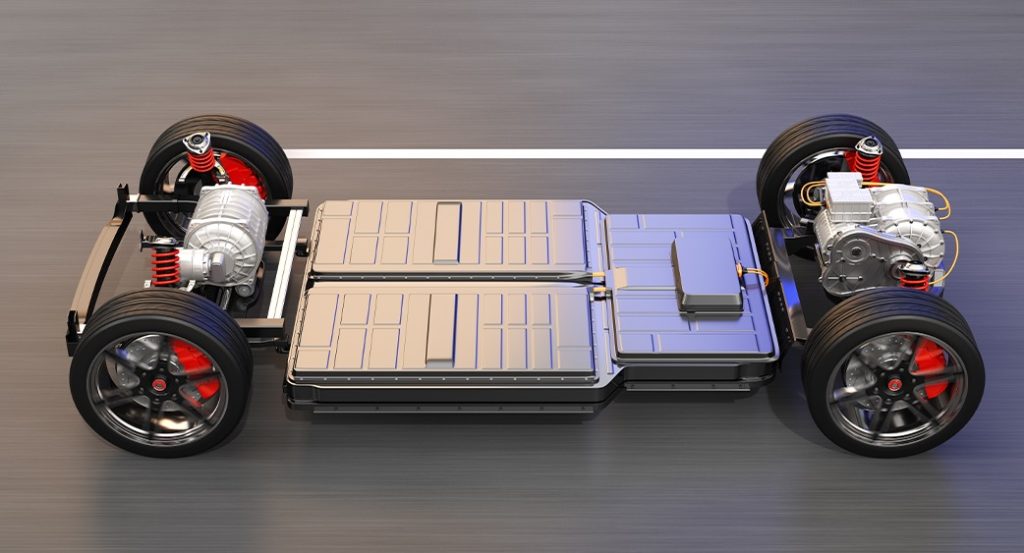
Energy Storage & Conversion
Batteries (Cathodes, Anodes, Electrolytes)
Li-rich Layered Oxides (High-capacity cathodes)
Sulfidic Solid Electrolytes (e.g., $Li_{10}GeP_2S_{12}$ variants for solid-state safety)