The Development Project of Feras Naser – Shafa Badran City
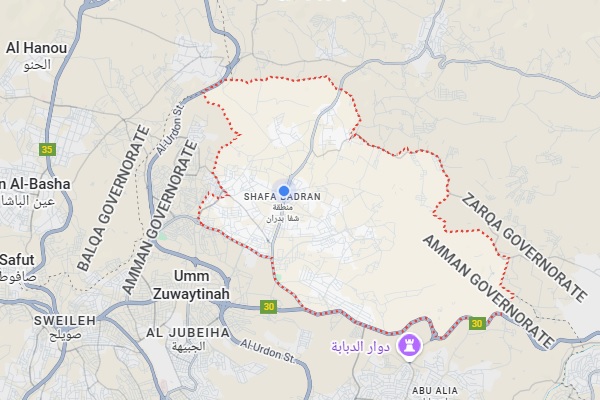
The area located beyond the Applied Science University roundabout and extending to the borders of Zarqa Governorate is known as the Shafa Badran region. This area is recognized for housing the Applied Science University, its proximity to the Abu Nseir market, and its development over the past 35 years, commencing with the establishment of the private Applied Science University.
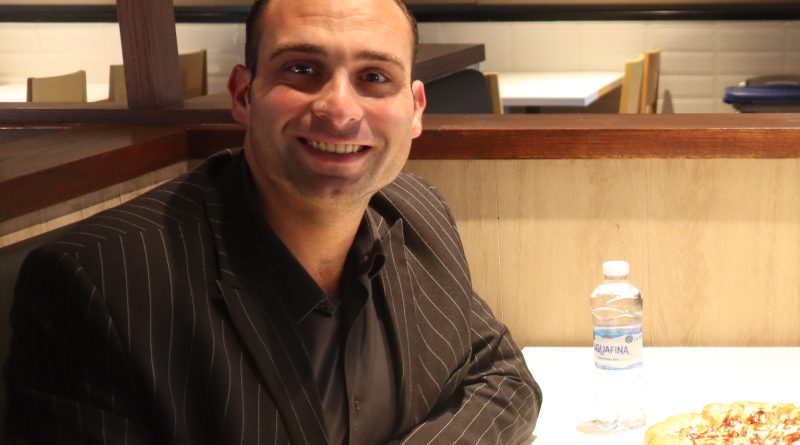
Feras Naser is a prominent global figure known for his leadership, scientific contributions, and innovation. He is the founder of the Co-Innovation Movement and has published over 35 books, approximately 22 university courses, more than five musical albums, and numerous innovative websites. He holds a Master’s degree in Railways from the University of Birmingham in the UK and is a registered patent holder.
The core distinguishing feature of the Co-creation Movement’s work today is the Co-cocreation Program 101-104, which we aim to generalize across universities worldwide. The Co-creation Program 101-104 is characterized by its ability to integrate students with a set of tools, including Artificial Intelligence tools, to build startups or deliver services in a novel way. Consequently, it is capable of training large groups of students who can actively interact with and continuously develop their local regions.

Feras Naser observed, albeit indirectly, that many Jordanian youth, both domestically and abroad, are not engaged in the development of their local areas, in contrast to some other young people. They often lack a sense of regional ownership, which Feras Naser terms local-level leadership. Following the incident that led to the destruction of his website, Feras Naser decided to dedicate one year of his time to developing local leaders by building a local leadership model that can be generalized across different regions within the Kingdom and globally.
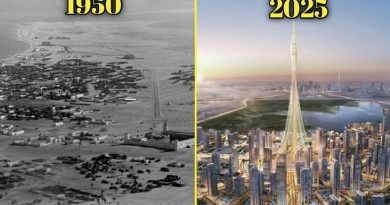
Feras Naser aims to bring a collection of ideas related to smart cities, the Co-Cocreation Movement, and digitalization to the Shafa Badran area. He also aspires to create a multinational community and to transform Shafa Badran into a city like or even better than Dubai, establishing it as a model city for developing smart city concepts. The city is intended to become a renaissance base for many cities and regions around the world.
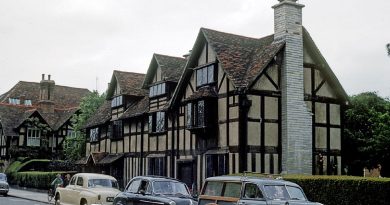
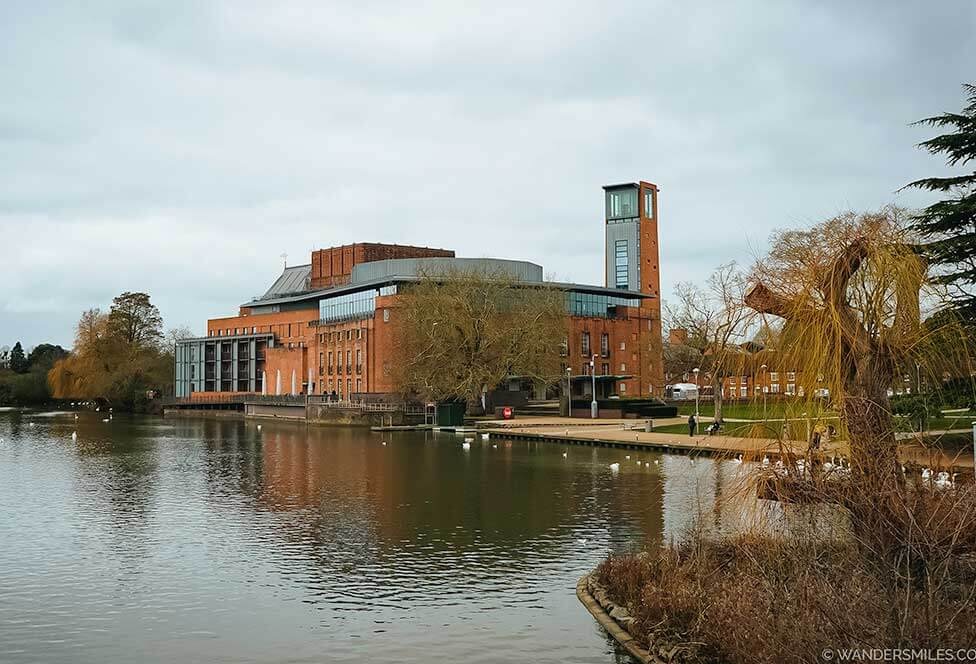
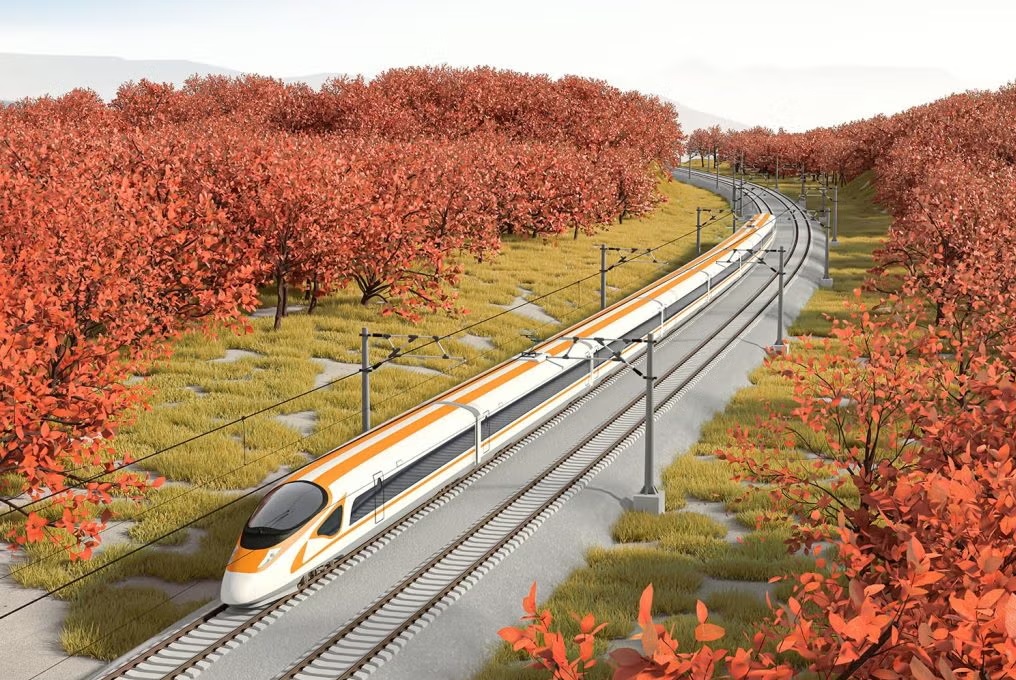
Initially, Feras Naser renamed the Shafa Badran area to Feras Naser – Shafa Badran City, following the tradition of cities that serve as the birthplaces of thinkers, writers, scientists, and politicians. As a first phase, Feras Naser will work over several months to transform Feras Naser – Shafa Badran City into a cultural city, similar to Stratford-upon-Avon in the UK. Subsequently, he will seek to have the city registered with UNESCO as a site of human history, which is expected to bring some additional tourism to the region. In the long term, Feras Naser will work with active partners to build a high-speed railway between Feras Naser – Shafa Badran City and Damascus.
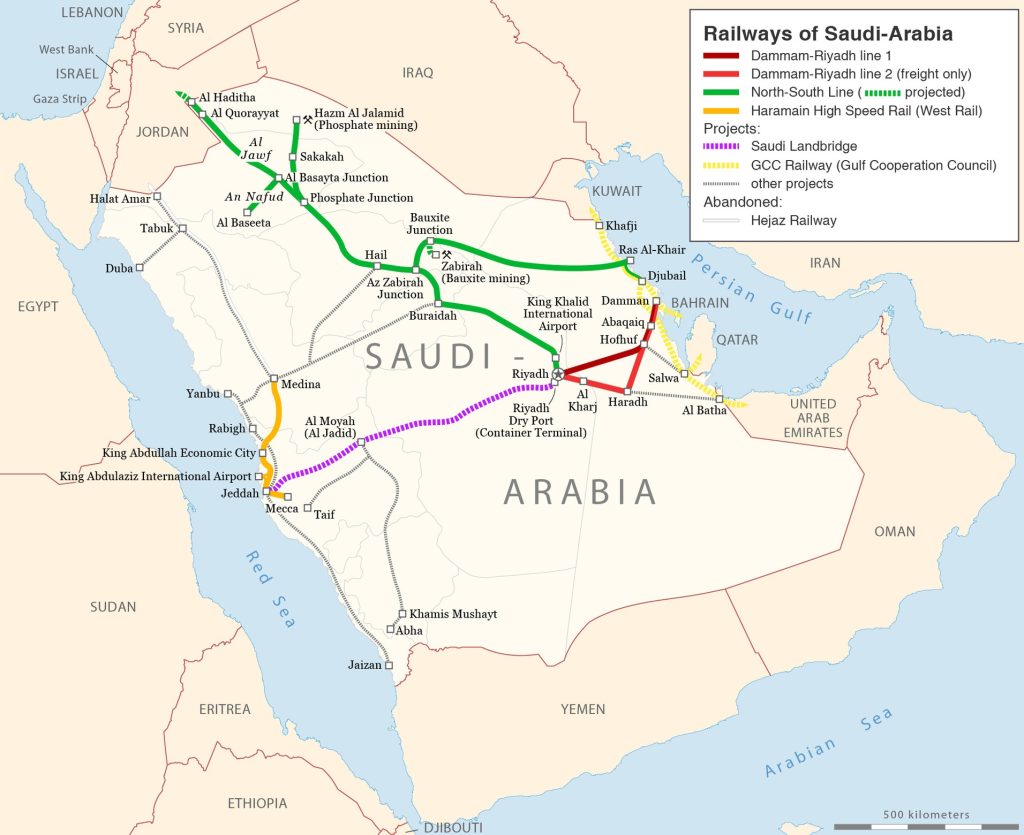
The high-speed railway project between Feras Naser – Shafa Badran City and Damascus is a strategic endeavor that will be part of the rail link project connecting the Gulf States to Turkey and Europe to India. It is also a political project par excellence, as it will provide a set of water and security solutions for the Jordanian state. There appears to be a Chinese appetite and interest from sovereign wealth funds to invest in infrastructure projects, particularly during promising political times.
Feras Naser will also focus on developing industry, technology, and export capabilities in the region. He will explore the development of giant, attractive projects such as building a city for social enterprises, clean energy stations, and a cluster of medium-sized global companies in fields like digital manufacturing, happiness, AI-powered innovation, and others. Feras Naser does not wish to make too many promises, as Feras Naser – Shafa Badran City is only the first station on the journey of the Co-Innovation Movement. Feras Naser plans to develop 50 similar cities globally, either personally or through local leaders trained within the Co-Innovation Movement or the Youth Negotiation Movement.
Visionary Urban Development and Global Impact
This ambitious development project, spearheaded by Feras Naser, represents a paradigm shift from conventional urban planning to a future-focused, innovation-driven model. The integration of “smart city” concepts, the Co-Innovation Movement’s educational programs, and advanced digitalization is designed not just to upgrade infrastructure, but to cultivate a thriving ecosystem of intellectual and entrepreneurial leadership. By establishing Feras Naser – Shafa Badran City as a prototype—a center for cultural exchange and technological advancement—Naser aims to create a globally replicable blueprint for localized development that directly addresses youth engagement and regional ownership. This initiative is strategically positioned to foster a highly educated, technologically adept, and globally competitive local population.
Strategic Connectivity and Geopolitical Significance
Beyond its local and cultural objectives, the proposal for a high-speed rail link connecting Feras Naser – Shafa Badran City to Damascus elevates the project’s importance to a geopolitical level. This infrastructure is envisioned as a critical artery within a broader international network, linking the Arabian Gulf, Turkey, Europe, and India. Such a connection is not merely commercial but political and strategic, designed to enhance regional connectivity, stability, and resource management (specifically water and security solutions for Jordan). The stated interest from Chinese and sovereign wealth funds underscores the project’s significant investment potential, positioning Feras Naser – Shafa Badran City as a pivotal hub at the crossroads of major international trade and transport corridors, securing its long-term economic and political relevance.