The Development of Feras Naser – Shafa Badran City: A Cultural and Hub
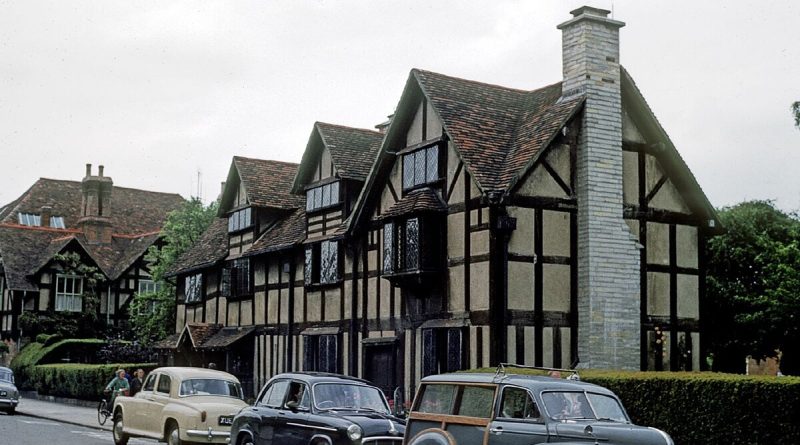
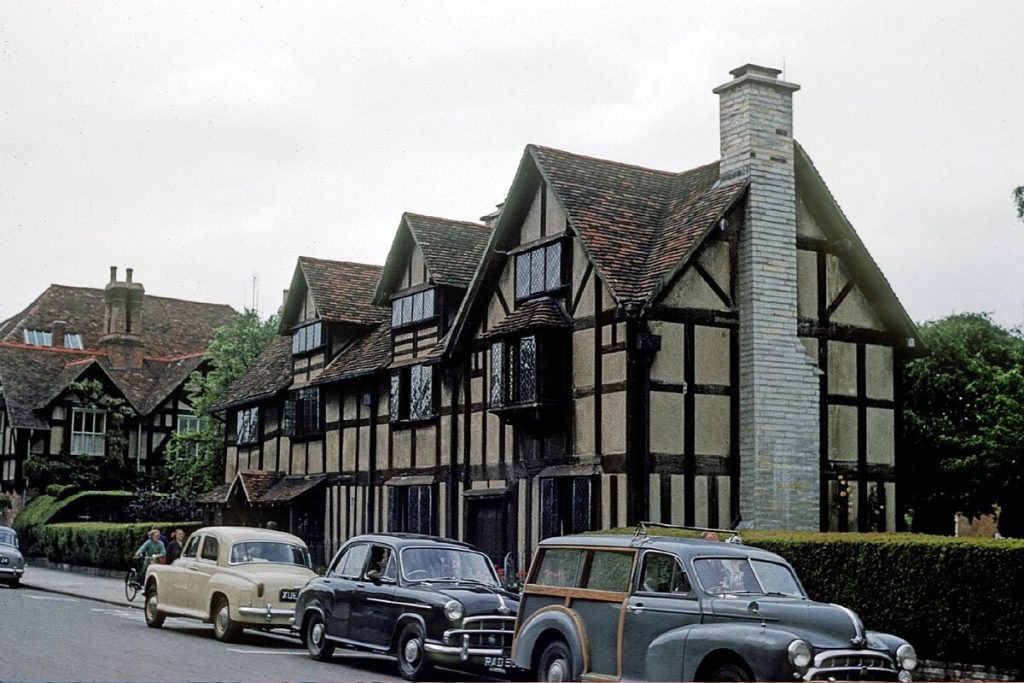
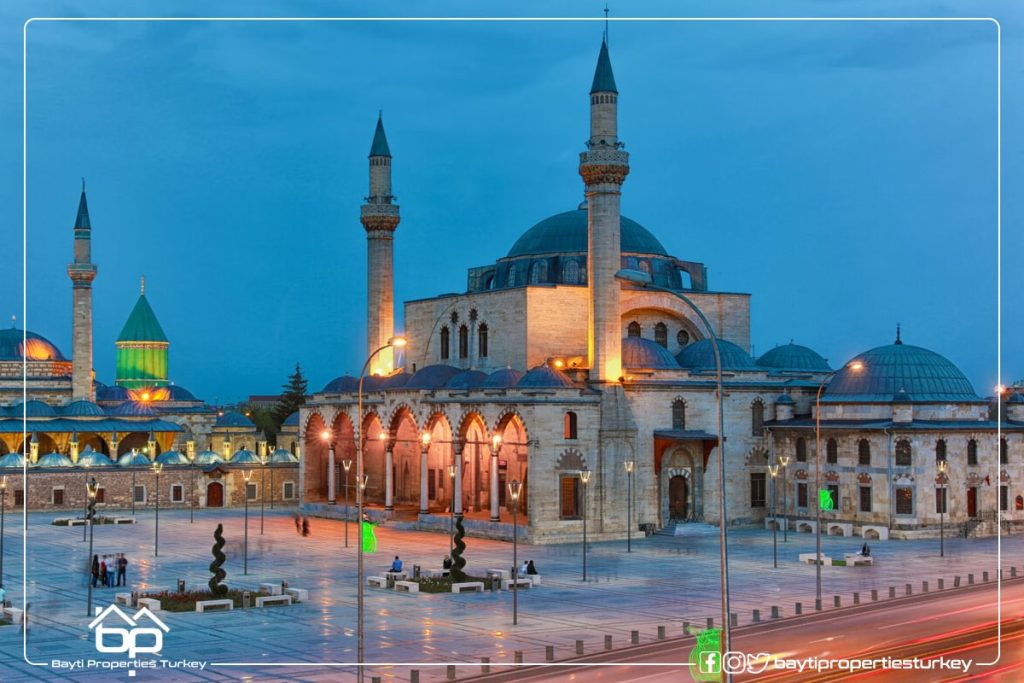
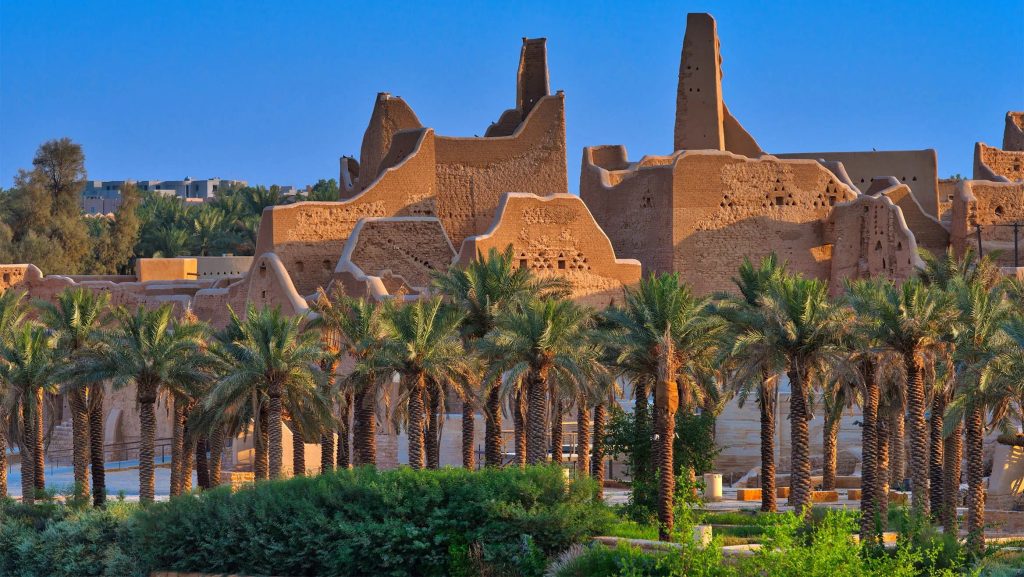
Cities that serve as the birthplaces of scientists, thinkers, and politicians hold a special historical significance, and more recently, they have acquired economic and tourist importance. Examples include Konya in Turkey, the birthplace of Turkish President Recep Tayyip Erdoğan; Al-Diriyah, the ancestral home of the Saudi ruling family; and Stratford-upon-Avon, the town of the English writer William Shakespeare.
Feras Naser – Shafa Badran City is conveniently located about 15 minutes by bus from the University of Jordan, a result of the “miracle” of Bus No. 40, which was introduced to the city four months ago. Bus No. 40 is considered a revolution in transportation in Jordan, as its location can be tracked via an application, and the bus adheres to a fixed schedule, arriving every 45 minutes between Sunday and Thursday. The city also hosts the Applied Science University, which attracts a diverse population of Arab and expatriate students.
Building a set of cultural facilities in the city, such as a multi-purpose theatre for cultural meetings, film screenings, musical performances, and live shows like theatre and stand-up comedy, would be a draw for young people. This would simultaneously increase the price of land and real estate in the city. This can be achieved in coordination with local investors who have already committed to Shafa Badran, such as the Applied Science University and others. Coordination can also be established with the Royal Film Commission, the Esports Federation, the Anna Lindh Foundation cultural network institutions, and the Co-Innovation Movement.
Furthermore, this city could potentially be registered as a protected site of Human Heritage if it is designated as the birthplace or the long-term residence of the leader Feras Naser. The UNESCO Ambassadors in Jordan who are responsible for the protection of human heritage can explore this matter with UNESCO, which is currently led by Egypt this year.
he cultural activities to be undertaken by the city can be categorized as showcasing and promoting the ideas, products, and works of the Co-creation Movement, especially to ambassadors and tourists from around the world. This includes film and music screenings, the promotion of esports, and the construction of a multi-use building to facilitate the formation and development of Co-Innovation Movement teams. In the concepts of the Co-Innovation Movement, this building is called The Cell (Al-Khaliyah), which is the second in the movement’s hierarchy of buildings, the others being The Hexa (Al-Sudasi) and The Headquarters (Al-Maqar).
This is a simple, competitive economic plan based on the immediate added value of Feras Naser’s presence as a historical figure in the city and built upon the personal relationships he has cultivated over the past two years. The plan is feasible within the capabilities of the well-known private sector figures and local investors in the region, in coordination with various parties. The “miracle” of Bus No. 40 makes this plan both a successful and inspiring economic proposition.
Disclaimer: Feras Naser does not hold personal interests in Shafa Badran City and is not a landowner in the area. He is undertaking this research as part of the training of local leaders and for purely scientific and research purposes. This project will continue for one year before Feras Naser proceeds with the journey of the Co-Innovation Movement.
Catalyzing Cultural Renaissance and Real Estate Growth
The proposed cultural infrastructure—especially the multi-purpose theatre—is key to transforming Feras Naser – Shafa Badran City from a purely academic locale into a vibrant youth magnet and cultural nexus. By hosting diverse events, from cinematic arts and music to live performances and esports, the city aims to directly appeal to the student population and neighboring communities. This infusion of cultural activity, supported by established entities like the Royal Film Commission and the Co-creation Movement, will generate immediate social capital. Crucially, the plan directly links this cultural uplift to tangible economic benefits: the increased desirability of the area is explicitly projected to drive up real estate values and attract sustainable local investment, creating a model where cultural development is the precursor to competitive economic growth.
Heritage, Diplomacy, and the Global Platform
The initiative to seek UNESCO Human Heritage status is a strategic move designed to secure the city’s international standing and ensure its preservation, leveraging Feras Naser’s global profile. This step transcends typical urban development by framing the city as a site of historical and intellectual significance, drawing a parallel with established cultural capitals. Furthermore, the plan to use the city’s cultural output—particularly the showcasing of the Co-creation Movement’s work in the uniquely named ‘Cell’ building—as a platform for diplomats and tourists, positions Feras Naser – Shafa Badran City as an international ambassador for Jordanian innovation and thought leadership. This integrated approach combines cultural preservation, scientific promotion, and ‘value-added’ diplomacy, underpinning the city’s future as a globally recognized economic and research destination.